Technology


Credibility is key to any architect or data leader. This credibility needs to be earned by gaining knowledge of technology not by reading a sales pitch but by experiencing the technology. I often find myself lost in my day-to-day deliverables and have difficulty keeping up with evolving tools, especially as data technologies evolve rapidly. Sure, I can look at a demo, but I can truly understand something only when I touch, feel, and experience it. Being able to quickly prototype and test solutions goes a long way in building a concept which I can then build upon and conceptualize how I can fit it into a larger architecture.

Hands-on knowledge of technology is important to me to ensure that I can design practical, scalable, and efficient data architectures. It enhances my ability to communicate with technical teams, ensures the quality and performance of solutions, and fosters continuous improvement and innovation. It makes it easier to identify potential issues and bottlenecks in the architecture early in the design and implementation phases.

I have seen so many bad decisions made because leaders do not understand the technology constraints and opportunities. By setting up a sandbox and piloting a quick demo to highlight the capabilities of a technology and how they align with the data architecture and strategy, we can better translate business requirements into technical solutions that are realistic and achievable.

From personal experience, hands-on knowledge allows me to build rapport with data engineers and developers who I have to lead. They are more likely to trust and follow the guidance of someone who understands the intricacies of the work. At the same time, it also helps to understand complexity and review the true progress of the development team.

Palantir Simple Injest from Postgress

Palantir, Palantir, 2026

Some intitial thoughts

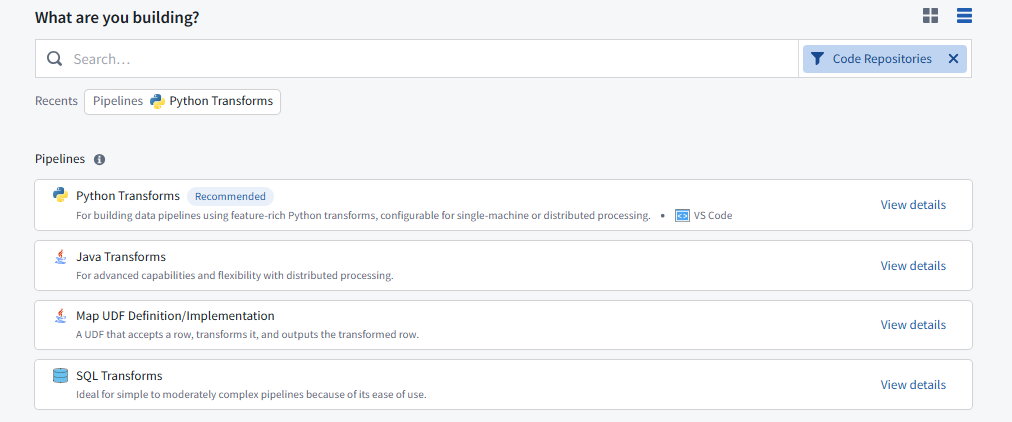
  • We will Use Python (Lightweight) for most ingestion use cases. It’s simpler, faster to start up (no Spark overhead), and handles the vast majority of table sizes. This is what we will be building now with @external_systems + psycopg2.
  • Use will PySpark only when you need Spark’s distributed JDBC reader to parallelize reads across partitions for very large tables. Spark can split a single table read into multiple parallel queries using a partition column: We will try an demonstrate how we would achieve this in a later use case

We developed how to create a data connection

Code Repository

Code Repository in Foundry

  • A Code Repository is a Git-backed project that contains the logic for data transformations, functions, models, or applications. It’s the fundamental unit where all “code” lives in Foundry.

  • What It Contains

    code-repository/
    ├── transforms-python/
    │   ├── conda_recipe/
    │   │   └── meta.yaml              ← Dependencies (packages)
    │   └── src/
    │       ├── myproject/
    │       │   ├── pipeline.py         ← Registers transforms for discovery
    │       │   └── datasets/
    │       │       └── my_transform.py ← Your transform logic
    │       ├── setup.py                ← Entry point declaration
    │       └── test/                   ← Unit tests
    ├── build.gradle                    ← Build configuration
    └── ci.yml                          ← CI pipeline definition

    

alt text

alt text

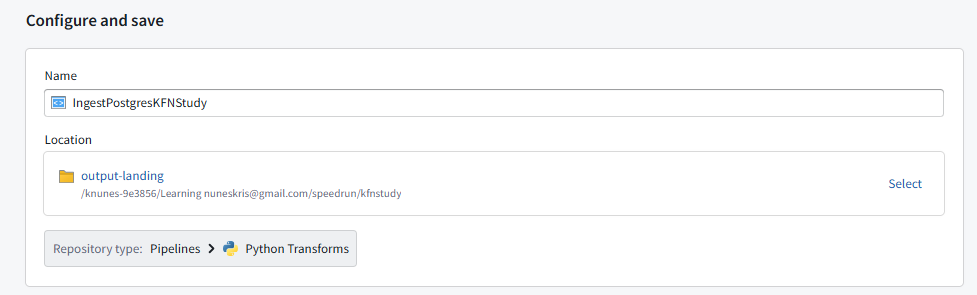
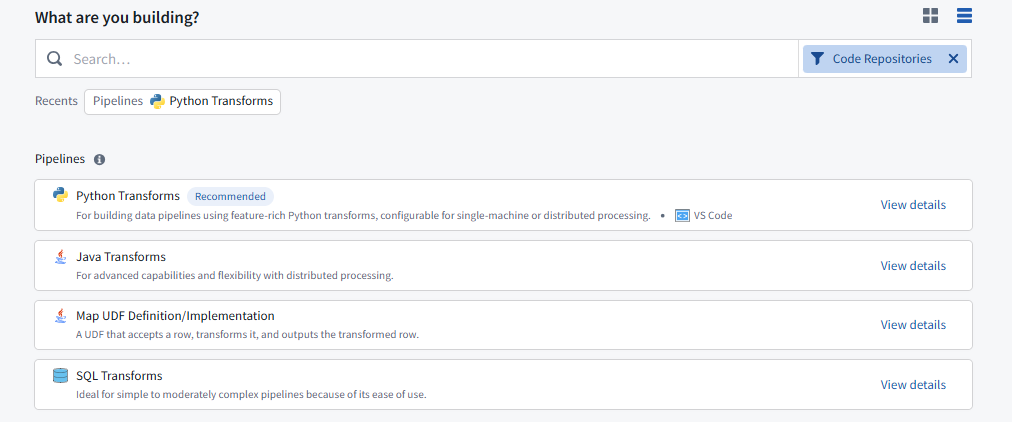
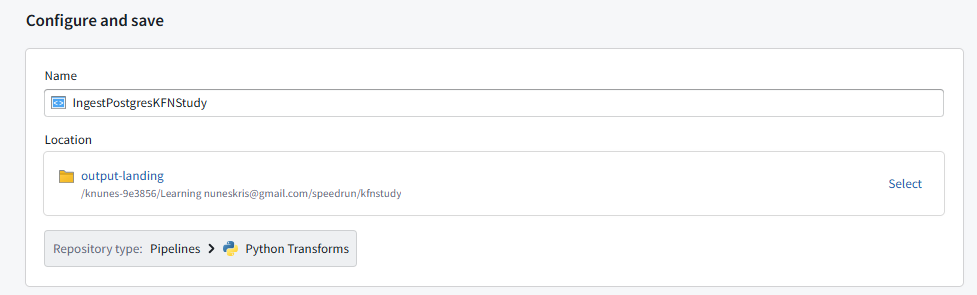
Give at a name and a folder where it needs to reside. Use the option to open via VSCode and now we are ready to go. They provide an option to use a template.
alt text

Since I am starting out, using the template option.
alt text

Before we get into design, there is something which did escape me and create some confusion is below

Registration and Runtime Layer

┌─────────────────────────────────────────────────┐
│  REGISTRATION LAYER (static, fixed at check-in) │
│  → Input(), Output(), Source()                   │
├─────────────────────────────────────────────────┤
│  RUNTIME LAYER (configurable per build)          │
│  → StringParam(), IntegerParam(), BooleanParam() │
└─────────────────────────────────────────────────┘

1. Output() — Where data goes

What it is: Declares the dataset that your transform will write to.

How to use it:

output = Output("/my-project/data/clean-customers")

Limitations:

  • Must be a fixed path or RID — cannot be dynamic
  • One transform can have multiple outputs, but each must be declared explicitly
  • The path is resolved when the code is registered (checked in), not at build time

2. Input() — Where data comes from

What it is: Declares a Foundry dataset that your transform reads as input.

How to use it:

db_config = Input("ri.foundry.main.dataset.ec675cfe-c4ac-4b43-b238-2528be816ce3")
# or
raw_data = Input("/my-project/data/raw-customers")

Limitations:

  • Must be a fixed path or RID — cannot be dynamic
  • Foundry uses this to build the dependency graph (knows what to build first)
  • Cannot read from a dataset that isn’t declared as an Input

3. Source() / @external_systems — Connection to the outside world

What it is: Declares a connection to an external system (database, API, cloud storage) configured in Data Connection.

How to use it:

@external_systems(postgresql_dc=Source("ri.magritte..source.312ffc80-xxxx"))

Limitations:

  • Must be a fixed source RID — cannot be dynamic
  • The source must already exist in Data Connection
  • Security and network egress policies are tied to the source at registration
  • You still need to write the query/fetch logic inside the function

4. StringParam(), IntegerParam(), BooleanParam() — Runtime configuration

What they are: Configurable values that can be changed per build without modifying code. How to use them:

filter_column = StringParam("customer_name")   # default: "customer_name"
min_records = IntegerParam(100)                 # default: 100
include_nulls = BooleanParam(False)            # default: False

What they’re good for:

  • Controlling filter logic, thresholds, feature flags
  • Changing table names or queries sent to an external system
  • Toggling behavior without a code change

Limitations:

  • Can only be used inside the transform function (runtime logic)
  • Cannot be used to set Input(), Output(), or Source() paths
  • Values are set at build time (via UI or schedule configuration)
  • Types are limited to: String, Integer, Boolean

Design

Now lets get to the design

I would like this to scale to mutiple tables and eventually multiple databases. First we will try multiple tables and then pivot

┌─────────────────────────────┐
│  Data Connection Source      │  ← PASSWORD
└─────────────────────────────┘

┌─────────────────────────────┐
│  Config Dataset (Foundry)    │  ← host, port, username, database (not in Git)
└─────────────────────────────┘

┌─────────────────────────────┐
│  Code Repository (internal)  │  ← Only logic + table_config.json
└─────────────────────────────┘

I chose to separate my PostgreSQL ingestion pipeline into three layers because I need to promote this to production, and I don’t want sensitive infrastructure details leaking into Git.

Why I’m using a Data Connection Source for credentials

I store my PostgreSQL username and password in Foundry’s Data Connection Source because it’s the platform’s built-in secret store. Foundry encrypts these values, controls who can access them, and provides audit logging. When my transform runs, it calls get_secret(“PASSWORD”) at runtime — the actual credential never appears in my code or Git history. If I rotate my database password, I update it once in the source and all my transforms pick it up automatically without a code change.

Note: Since I am using my own code to connect, need to intall psycopg2. We mention this inside meta-yaml
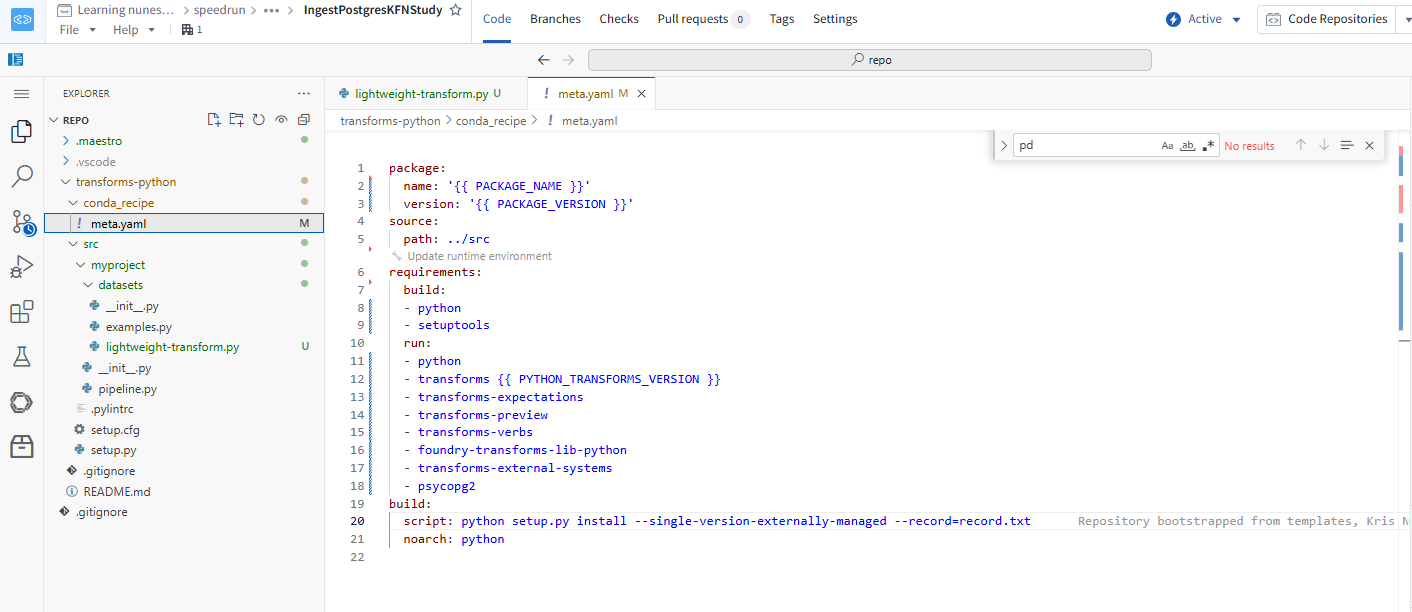
alt text

also to execute the testing in the vscode we need to install the same

maestro env conda install psycopg2

Why I’m using a config dataset for connection details

I don’t want my database hostname, port, or database name in Git either. Even though these aren’t secrets in the traditional sense, they reveal my infrastructure — where my database lives, what cloud provider I use, what port it’s on. That’s information I’d rather not have in version control. By storing it in a Foundry dataset, I can:

  • Control who sees it with dataset-level permissions
  • Change it without a code commit (e.g., if my Supabase instance migrates)
  • Have different config datasets per environment (dev, staging, prod) without branching my code
alt text

Why I’m using a JSON config file for table mappings

My table_config.json lists which PostgreSQL tables to ingest and where each one lands in Foundry. This IS something I want in Git because:

  • It’s not sensitive — table names like public.customers don’t expose anything
  • I want it reviewed in PRs when someone adds a new table
  • I want Git history showing when and why a table was added or removed
  • When I promote to production, the table mappings are part of my deployment — they should travel with the code

Why this works for production promotion

When I move from dev to prod, I:

  • Don’t touch the code — the Python logic is environment-agnostic
  • Create a new source in prod — with prod credentials, same get_secret() calls work
  • Create a new config dataset in prod — with the prod hostname/port
  • Deploy the same repo — only update the source RID and config dataset path
  • Nothing is hardcoded. Nothing sensitive is in Git. Every piece of configuration is managed through Foundry’s governed, auditable services.
Collect: Palantir: Ingest simple DB via UI

Palantir, Palantir, 2026

The objective is to build a fundemental ingest building block for ingest “Data Connection” in Palantir.

Some Prep work.

We need to host a DB (Postgres) and supabase.com to the rescue. I had used github cred to create a free account and load data into it.

loading the data into the table

Providing the sql statements to explain the data

-- Sample PLM database schema and seed data
-- Use case: Product lifecycle management with products, versions, components, change requests, and approvals.

-- Drop tables if they exist (adjust syntax for your RDBMS if needed)
DROP TABLE IF EXISTS approval_steps;
DROP TABLE IF EXISTS change_requests;
DROP TABLE IF EXISTS product_components;
DROP TABLE IF EXISTS product_versions;
DROP TABLE IF EXISTS products;

-- Product master table
CREATE TABLE products (
    product_id INT PRIMARY KEY,
    product_code VARCHAR(20) NOT NULL,
    product_name VARCHAR(100) NOT NULL,
    product_family VARCHAR(50),
    lifecycle_stage VARCHAR(30) NOT NULL,
    created_at DATE NOT NULL
);

-- Product version table representing released revisions
CREATE TABLE product_versions (
    version_id INT PRIMARY KEY,
    product_id INT NOT NULL,
    version_label VARCHAR(20) NOT NULL,
    release_date DATE,
    status VARCHAR(30) NOT NULL,
    description VARCHAR(200),
    FOREIGN KEY (product_id) REFERENCES products(product_id)
);

-- Product component bill of materials
CREATE TABLE product_components (
    component_id INT PRIMARY KEY,
    version_id INT NOT NULL,
    component_code VARCHAR(30) NOT NULL,
    component_name VARCHAR(100) NOT NULL,
    quantity INT NOT NULL,
    supplier VARCHAR(100),
    lifecycle_status VARCHAR(30) NOT NULL,
    FOREIGN KEY (version_id) REFERENCES product_versions(version_id)
);

-- Change request table for product/version changes
CREATE TABLE change_requests (
    request_id INT PRIMARY KEY,
    product_id INT NOT NULL,
    version_id INT,
    request_type VARCHAR(50) NOT NULL,
    request_title VARCHAR(150) NOT NULL,
    requested_by VARCHAR(100) NOT NULL,
    requested_date DATE NOT NULL,
    target_release_date DATE,
    request_status VARCHAR(30) NOT NULL,
    priority VARCHAR(20) NOT NULL,
    description TEXT,
    FOREIGN KEY (product_id) REFERENCES products(product_id),
    FOREIGN KEY (version_id) REFERENCES product_versions(version_id)
);

-- Approval workflow steps for change requests
CREATE TABLE approval_steps (
    approval_id INT PRIMARY KEY,
    request_id INT NOT NULL,
    approver VARCHAR(100) NOT NULL,
    step_order INT NOT NULL,
    approval_status VARCHAR(30) NOT NULL,
    decision_date DATE,
    comments VARCHAR(250),
    FOREIGN KEY (request_id) REFERENCES change_requests(request_id)
);

-- Seed data for products
INSERT INTO products (product_id, product_code, product_name, product_family, lifecycle_stage, created_at) VALUES
(1, 'PLM-1000', 'Smart Sensor Platform', 'IoT', 'Development', '2025-01-15'),
(2, 'PLM-2000', 'Industrial Gateway', 'Edge Systems', 'Release', '2024-08-01'),
(3, 'PLM-3000', 'Mobile App Suite', 'Software', 'Maintenance', '2023-11-20'),
(4, 'PLM-4000', 'Smart Factory Controller', 'Automation', 'Release', '2024-05-08'),
(5, 'PLM-5000', 'AR Maintenance Assistant', 'AR/VR', 'Concept', '2025-02-12');

-- Seed data for product versions
INSERT INTO product_versions (version_id, product_id, version_label, release_date, status, description) VALUES
(101, 1, 'v0.9', NULL, 'Prototype', 'Initial prototype for internal testing'),
(102, 1, 'v1.0', '2025-06-10', 'Planned', 'First commercial release planned'),
(103, 1, 'v1.1', '2025-09-30', 'Planned', 'Hardware and firmware release for next iteration'),
(201, 2, 'v1.0', '2024-11-12', 'Released', 'Initial production release'),
(202, 2, 'v1.1', '2025-03-05', 'Released', 'Minor update with stability fixes'),
(203, 2, 'v2.0', '2025-09-10', 'Planned', 'Major gateway update with new protocol support'),
(301, 3, 'v2.0', '2025-02-18', 'Released', 'Major mobile app update'),
(302, 3, 'v2.1', '2025-07-22', 'Released', 'Maintenance release with UX improvements'),
(401, 4, 'v1.0', '2024-10-01', 'Released', 'Initial factory controller release'),
(501, 5, 'alpha', '2025-12-01', 'Concept', 'Alpha release for AR maintenance assistant');

-- Seed data for product components
INSERT INTO product_components (component_id, version_id, component_code, component_name, quantity, supplier, lifecycle_status) VALUES
(1001, 101, 'SSP-MCU', 'Microcontroller Unit', 1, 'CoreChip Ltd', 'Approved'),
(1002, 101, 'SSP-SENSOR', 'Multi-sensor Array', 1, 'SenseMakers Inc', 'Approved'),
(1003, 101, 'SSP-HOUS', 'Enclosure', 1, 'PlasticWorks', 'Approved'),
(1004, 102, 'SSP-BATT', 'Rechargeable Battery', 1, 'PowerCell Co', 'Under Review'),
(1010, 102, 'SSP-FIRM', 'Firmware Package', 1, 'In-house', 'Under Review'),
(1011, 103, 'SSP-CASE', 'Rugged Enclosure', 1, 'ArmorPack', 'Proposed'),
(1005, 201, 'IGW-CPU', 'Gateway CPU Board', 1, 'EdgeLogic', 'Approved'),
(1006, 201, 'IGW-ANT', 'Antenna Assembly', 2, 'SignalWave', 'Approved'),
(1007, 202, 'IGW-GBL', 'Gateway Bluetooth Module', 1, 'BlueLink', 'Approved'),
(1012, 203, 'IGW-SEC', 'Security Module', 1, 'SafeNet', 'Approved'),
(1013, 203, 'IGW-PSU', 'Power Supply', 1, 'VoltPower', 'Approved'),
(1008, 301, 'APP-UI', 'Mobile App UI Module', 1, 'In-house', 'Approved'),
(1009, 301, 'APP-BACK', 'Backend Sync Service', 1, 'In-house', 'Approved'),
(1014, 302, 'APP-ANALYTICS', 'Analytics Engine', 1, 'In-house', 'Approved'),
(1015, 401, 'SFC-CPU', 'Controller CPU Board', 1, 'EdgeLogic', 'Approved'),
(1016, 401, 'SFC-IO', 'I/O Expansion Module', 4, 'ConnectCorp', 'Approved'),
(1017, 501, 'ARA-HMD', 'AR Headset', 1, 'VisionTech', 'Proposed'),
(1018, 501, 'ARA-SW', 'AR Software Core', 1, 'In-house', 'Proposed');

-- Seed data for change requests
INSERT INTO change_requests (request_id, product_id, version_id, request_type, request_title, requested_by, requested_date, target_release_date, request_status, priority, description) VALUES
(5001, 1, 102, 'Engineering Change', 'Update battery specification for longer runtime', 'Avery Johnson', '2025-03-25', '2025-05-20', 'Submitted', 'High', 'Switch to new battery supplier and update BOM documentation.'),
(5002, 2, 202, 'Quality Improvement', 'Replace antenna assembly with higher-gain unit', 'Mia Patel', '2025-01-10', '2025-02-28', 'Approved', 'Medium', 'Improves connectivity in remote installations.'),
(5003, 3, 301, 'Software Patch', 'Bug fix for data sync timeout', 'Noah Kim', '2025-04-02', '2025-04-30', 'In Review', 'High', 'Resolve intermittent timeouts for sync service on slow networks.'),
(5004, 1, NULL, 'New Feature', 'Add predictive maintenance analytics', 'Elena Rossi', '2025-04-18', '2025-08-01', 'Draft', 'Low', 'Introduce analytics dashboard in future release.'),
(5005, 4, 401, 'Regulatory Change', 'Update controller safety compliance labels', 'Priya Singh', '2025-01-20', '2025-04-15', 'Approved', 'High', 'Ensure factory controller meets latest CE and UL requirements.'),
(5006, 5, 501, 'Design Review', 'Refine AR overlay interaction flow', 'Jackson Lee', '2025-05-05', '2025-06-30', 'Submitted', 'Medium', 'Improve ease-of-use for maintenance technicians.'),
(5007, 2, 203, 'Engineering Change', 'Add secure boot support', 'Lena Chen', '2025-03-12', '2025-08-01', 'In Review', 'High', 'Required for new customer security standard.'),
(5008, 3, 302, 'Maintenance', 'Fix login crash on older OS versions', 'Amir Hassan', '2025-06-05', '2025-07-10', 'Approved', 'High', 'Critical bug affecting field technicians.'),
(5009, 1, 103, 'Engineering Change', 'Add edge analytics sensor calibration', 'Avery Johnson', '2025-05-01', '2025-09-15', 'Draft', 'Medium', 'Calibration logic for next version sensors.');

-- Seed data for approval steps
INSERT INTO approval_steps (approval_id, request_id, approver, step_order, approval_status, decision_date, comments) VALUES
(9001, 5001, 'Product Manager', 1, 'Approved', '2025-04-02', 'Battery life improvement is essential for launch.'),
(9002, 5001, 'Engineering Lead', 2, 'Pending', NULL, NULL),
(9003, 5002, 'Quality Director', 1, 'Approved', '2025-01-18', 'Antenna update meets customer needs.'),
(9004, 5003, 'Software Architect', 1, 'In Review', NULL, 'Need full regression test results.'),
(9005, 5004, 'Product Strategy', 1, 'Draft', NULL, 'Concept request under evaluation.'),
(9006, 5002, 'Engineering Lead', 2, 'Approved', '2025-01-25', 'Engineering has validated the antenna design.'),
(9007, 5003, 'QA Team', 2, 'Pending', NULL, 'Regression tests still running.'),
(9008, 5005, 'Compliance Lead', 1, 'Approved', '2025-02-02', 'Labels and documentation approved.'),
(9009, 5006, 'UX Lead', 1, 'In Review', NULL, 'Reviewing overlay behavior.'),
(9010, 5007, 'Security Director', 1, 'In Review', NULL, 'Secure boot implementation details needed.'),
(9011, 5008, 'Maintenance Manager', 1, 'Approved', '2025-06-20', 'Bug fix ready for deployment.'),
(9012, 5009, 'Engineering Lead', 1, 'Draft', NULL, 'Need BOM impact assessment.');

Data Connection

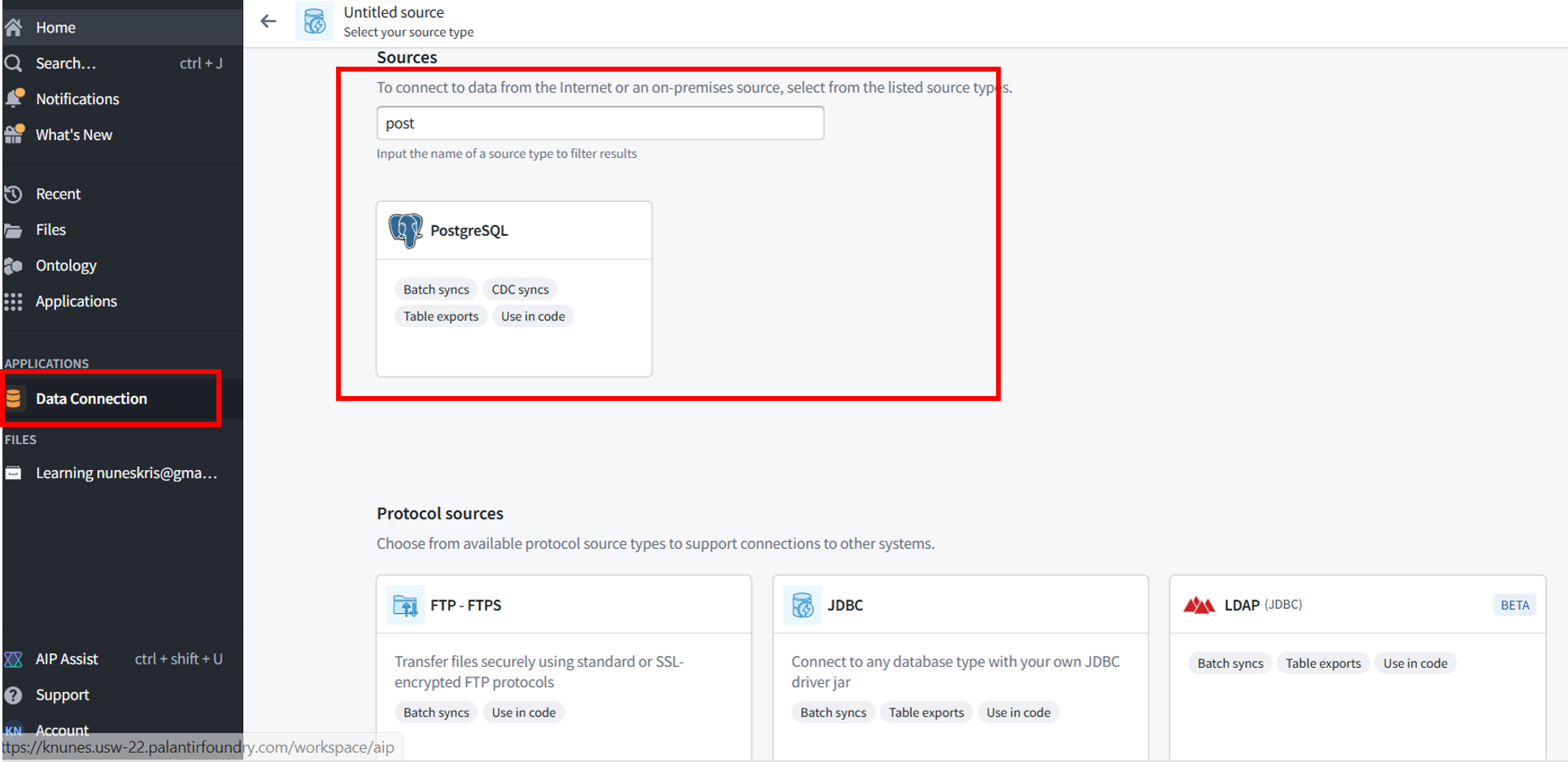
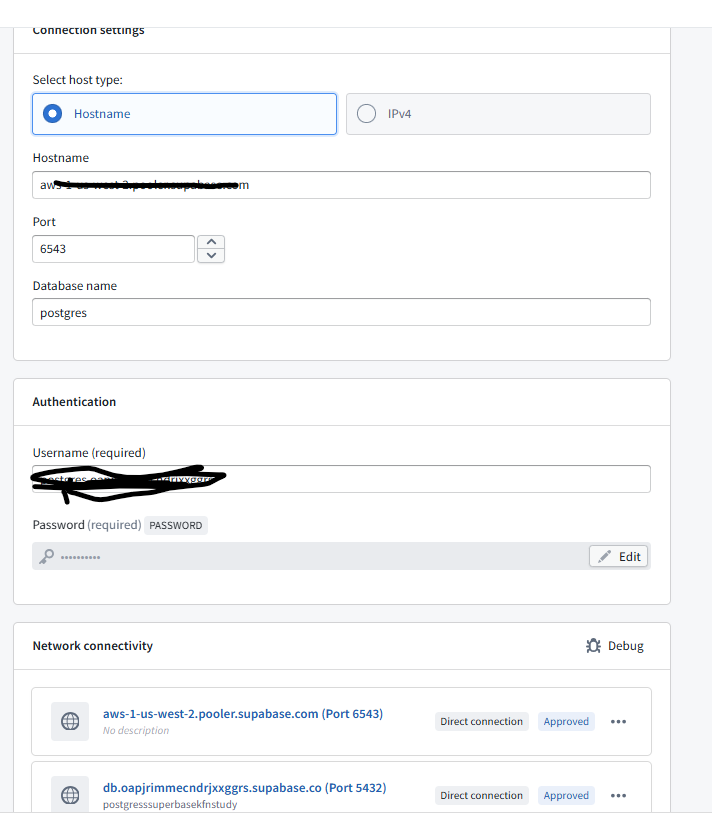
this will be a one time connection configuration and we will use this later in a transform.

alt text

Connection Details

alt text

Note: Ensure the egress network policies are appropriately added. [Typically managed by the platform admins]

Test Run

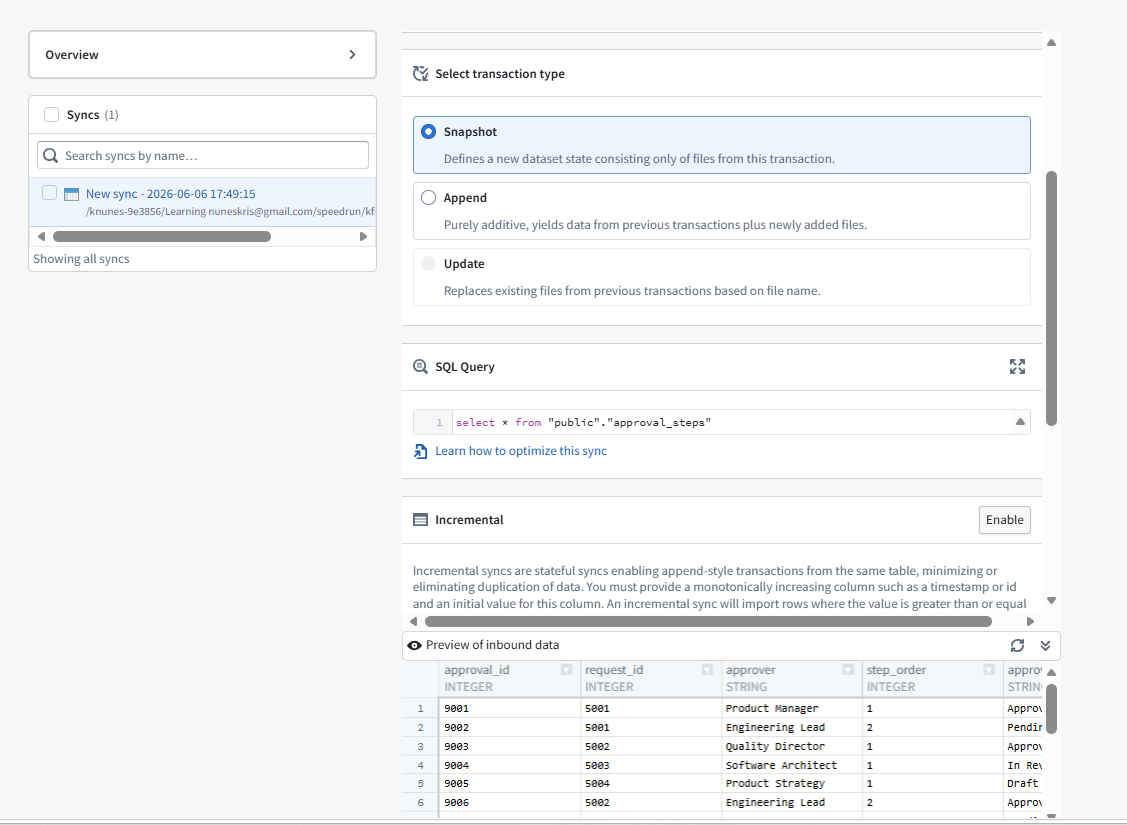
Configure a sync and a target and we are good to go.

alt text

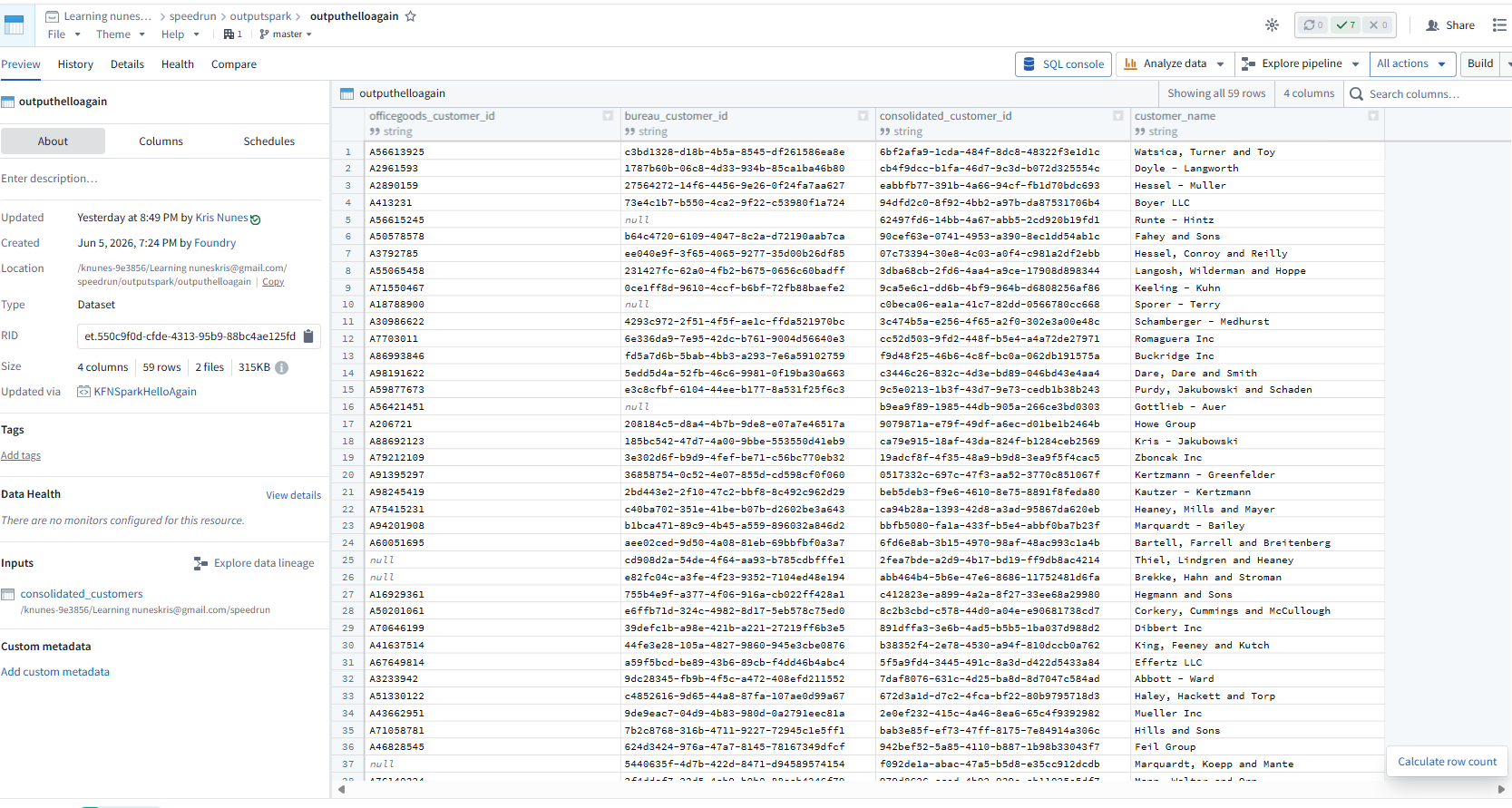
The output folder which was configured had the data ingested.

alt text

Snowflake: AWS S3 Loading 22222222222

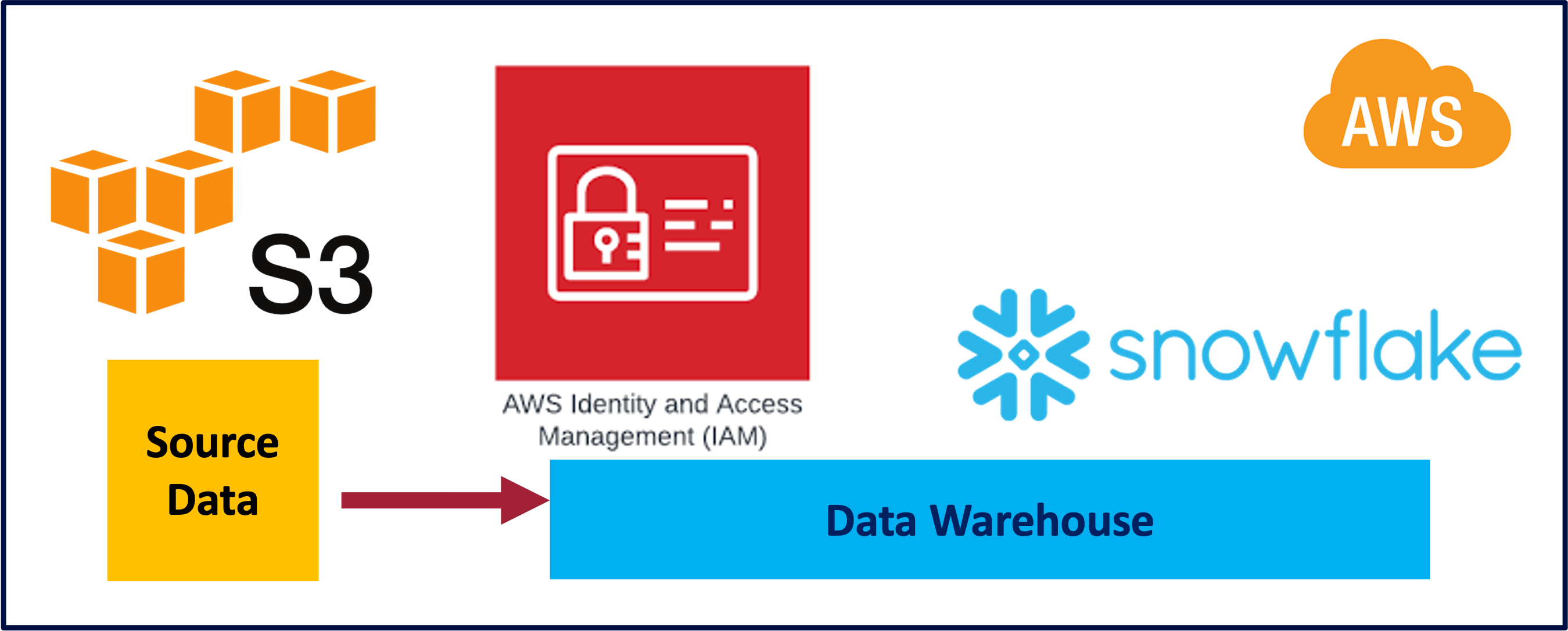
Datawarehouse, S3, 2026

image

I had used the Template SQL Worksheet provided by Snowflake with an end to end process to load data from Amazon S3 which I play around with. It worked like a champ. Also used the Snowflake documentation.

Setup


/*--

Helpful Snowflake Documentation:
        1. Bulk Loading from Amazon S3 - https://docs.snowflake.com/en/user-guide/data-load-s3
        2. https://docs.snowflake.com/en/sql-reference/functions/system_validate_storage_integration
-*/
-------------------------------------------------------------------------------------------
    -- Step 1: To start, let's set the Role and Warehouse context
        -- USE ROLE: https://docs.snowflake.com/en/sql-reference/sql/use-role
        -- USE WAREHOUSE: https://docs.snowflake.com/en/sql-reference/sql/use-warehouse
-------------------------------------------------------------------------------------------

--> To run a single query, place your cursor in the query editor and select the Run button (⌘-Return).
--> To run the entire worksheet, select 'Run All' from the dropdown next to the Run button (⌘-Shift-Return).

---> set Role Context
USE ROLE accountadmin;

---> set Warehouse Context
USE WAREHOUSE compute_wh;
-------------------------------------------------------------------------------------------
    -- Step 2: Create Database
        -- CREATE DATABASE: https://docs.snowflake.com/en/sql-reference/sql/create-database
-------------------------------------------------------------------------------------------
---> create the Database
CREATE  OR REPLACE  DATABASE  db_prestage;
-------------------------------------------------------------------------------------------
    -- Step 3: Create Schema
        -- CREATE SCHEMA: https://docs.snowflake.com/en/sql-reference/sql/create-schema
-------------------------------------------------------------------------------------------
---> create the Schema
CREATE SCHEMA IF NOT EXISTS db_prestage.ERP
   COMMENT = 'Loading data from S3' ;
-------------------------------------------------------------------------------------------
    -- Step 4: Create Table
        -- CREATE TABLE: https://docs.snowflake.com/en/sql-reference/sql/create-table
-------------------------------------------------------------------------------------------
---> create the Table
CREATE  TABLE  IF NOT EXISTS  db_prestage.ERP.business_partners
    (
   PARTNERID INTEGER,
    PARTNERROLE INTEGER,
    EMAILADDRESS varchar,
    PHONENUMBER INTEGER,
    FAXNUMBER varchar,
    WEBADDRESS varchar,
    ADDRESSID INTEGER,
    COMPANYNAME varchar,
    LEGALFORM varchar,
    CREATEDBY INTEGER,
    CREATEDAT INTEGER,
    CHANGEDBY INTEGER,
    CHANGEDAT INTEGER,
    CURRENCY varchar
    --> supported types: https://docs.snowflake.com/en/sql-reference/intro-summary-data-types.html
    )
    COMMENT = 'Creating a table';

---> query the empty Table
SELECT * FROM db_prestage.ERP.business_partners;

Follow the instructions which was strainght forward. This was the IAM JSON policy which I had created and worked for me.

    "Version": "2012-10-17",
    "Statement": [
        {
            "Effect": "Allow",
            "Action": [
                "s3:PutObject",
                "s3:GetObject",
                "s3:GetObjectVersion",
                "s3:DeleteObject",
                "s3:DeleteObjectVersion"
            ],
            "Resource": "arn:aws:s3:::com-kfn-landing-s3storage-play-erp/erp/*"
        },
        {
            "Effect": "Allow",
            "Action": [
                "s3:ListBucket",
                "s3:GetBucketLocation"
            ],
            "Resource": "arn:aws:s3:::com-kfn-landing-s3storage-play-erp",
            "Condition": {
                "StringLike": {
                    "s3:prefix": [
                        "erp/*"
                    ]
                }
            }
        }
    ]
}

Create a Snowflake Integration

-------------------------------------------------------------------------------------------
    -- Step 5: Create Storage Integrations
        -- CREATE STORAGE INTEGRATION: https://docs.snowflake.com/en/sql-reference/sql/create-storage-integration
-------------------------------------------------------------------------------------------

    /*--
      A Storage Integration is a Snowflake object that stores a generated identity and access management
      (IAM) entity for your external cloud storage, along with an optional set of allowed or blocked storage locations
      (Amazon S3, Google Cloud Storage, or Microsoft Azure).
    --*/

---> Create the Amazon S3 Storage Integration
    -- Configuring a Snowflake Storage Integration to Access Amazon S3: https://docs.snowflake.com/en/user-guide/data-load-s3-config-storage-integration

CREATE  OR REPLACE STORAGE INTEGRATION kfn_s3_integration
  TYPE = EXTERNAL_STAGE
  STORAGE_PROVIDER = 'S3'
  STORAGE_AWS_ROLE_ARN = 'arn:aws:iam::573981122510:role/SnowflakeS3ReadRole'
  ENABLED = TRUE
  STORAGE_ALLOWED_LOCATIONS = ('s3://com-kfn-landing-s3storage-play-erp/erp/' )
 ;

    /*--
      Execute the command below to retrieve the ARN and External ID for the AWS IAM user that was created automatically for your Snowflake account.
      You’ll use these values to configure permissions for Snowflake in your AWS Management Console:
          https://docs.snowflake.com/en/user-guide/data-load-s3-config-storage-integration#step-5-grant-the-iam-user-permissions-to-access-bucket-objects
    --*/

DESCRIBE INTEGRATION kfn_s3_integration;

image

SHOW STORAGE INTEGRATIONS;

image

upload data into the bucket

image

Create a stage


-------------------------------------------------------------------------------------------
    -- Step 6: Create Stage Objects
-------------------------------------------------------------------------------------------

    /*--
      A stage specifies where data files are stored (i.e. "staged") so that the data in the files
      can be loaded into a table.
    --*/

---> Create the Amazon S3 Stage
    -- Creating an S3 Stage: https://docs.snowflake.com/en/user-guide/data-load-s3-create-stage
    
create stage kfn_s3_stage
 storage_integration = kfn_s3_integration
 url = 's3://com-kfn-landing-s3storage-play-erp/erp/'
 ;

---> View our Stages
    -- SHOW STAGES: https://docs.snowflake.com/en/sql-reference/sql/show-stages

image

list @kfn_s3_stage;

image

Load Data

-------------------------------------------------------------------------------------------
    -- Step 7: Load Data from Stages
-------------------------------------------------------------------------------------------

---> Load data from the Amazon S3 Stage into the Table
    -- Copying Data from an S3 Stage: https://docs.snowflake.com/en/user-guide/data-load-s3-copy
    -- COPY INTO <table>: https://docs.snowflake.com/en/sql-reference/sql/copy-into-table

COPY INTO db_prestage.ERP.business_partners
  FROM @kfn_s3_stage
    FILES = ( 'BusinessPartners.csv' ) 
 file_format = (type = csv skip_header = 1 field_delimiter = ',');

-------------------------------------------------------------------------------------------
    -- Step 8: Start querying your Data!
-------------------------------------------------------------------------------------------

---> Great job! You just successfully loaded data from your cloud provider into a Snowflake table
---> through an external stage. You can now start querying or analyzing the data.

SELECT * FROM db_prestage.ERP.business_partners;

image

AWS Lake Formation.

Data Lake, LakeFormation, 2025

AWS Lake Formation = Scaled Data Lake + Scaled Security Provisioning image

ETL Data Test and Validate

Data Warehouse, Snowflake, 2024

Setup

  1. Installed DBT Core locally. The install configuration can be described by the command: dbt debug image

  2. Installed DBT Utils image

    image

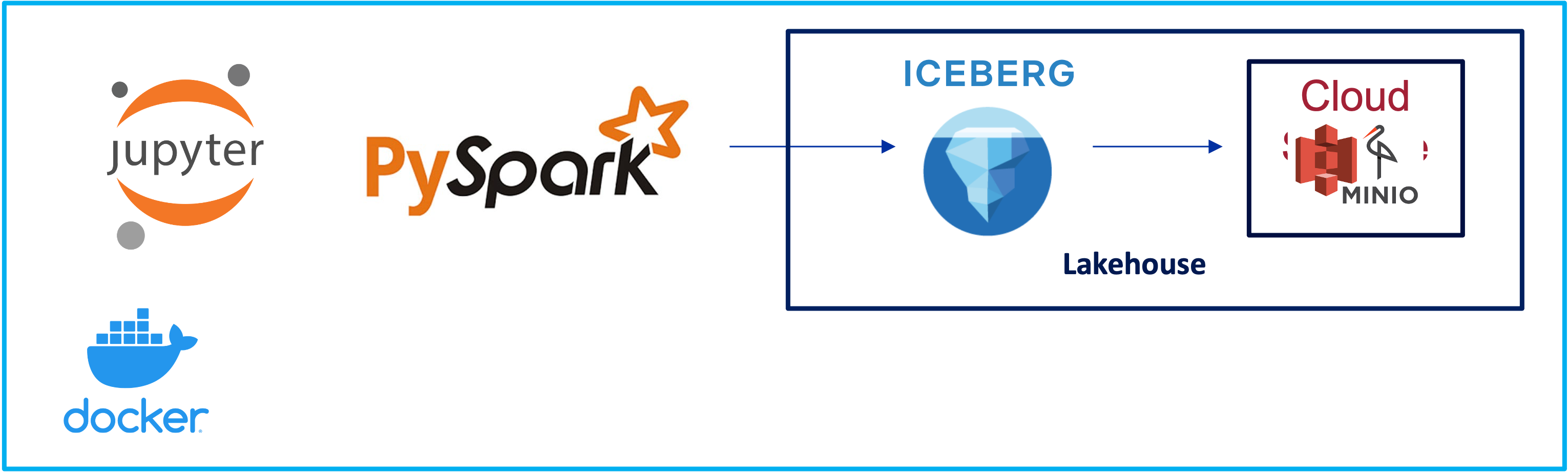
MinIO Object Storage for Linux Locally (anywhere)

Lakehouse, Minio, 2024

When I play with new technologies, I like to plat it on my machine locally. Minio is a perfect simulation of cloud storage locally. You can deploy it locally and interact it like a S3 object storage.